Lô đề Hi88 đang được khá đông người truy cập và con số không ngừng tăng lên mỗi ngày. Cách chơi cũng không quá khác so với hình thức truyền thống. Nhưng nói về tỷ lệ trả thưởng thì tại nhà cái này lại cao hơn rất nhiều lần. Cùng Hi88 tìm hiểu cách chơi đề ăn thưởng cao nhất nhé!
Giới thiệu về lô đề Hi88

Lô đề Hi88 được rất nhiều dân chơi cá cược yêu thích bởi hệ thống trạm quay số 3 miền Bắc, Trung, Nam. Kết quả xổ số trực tuyến tại đây cũng chính là kết quả chính thức tại các nhà đài Việt Nam. Nên sẽ có giới hạn thời gian cụ thể về khung giờ mở cửa.
Mọi người có thể tham gia đặt cược từ 0 đến 4 giờ chiều mỗi ngày. Ngoài khung giờ trên thì không thể đặt cược. Dưới đây là các hình thức chơi lô đề trực tuyến tại nhà cái Hi88 có thể tham khảo:
- Cược đuôi: Kết quả sẽ dựa vào 2 số cuối cùng của giải đặc biệt KQXS miền Bắc. Với tỷ lệ trả thưởng cực cao là 1 ăn 99.
- Bao lô: Kết quả sẽ dựa vào kết quả 27 giải của KQXS miền Bắc, tỷ lệ trả thưởng cao nhất là 1 ăn 99.5.
Nhà cái mang đến cho người chơi phiên bản xổ số trực tuyến siêu tốc với thời gian chỉ 5 phút/ lần. Đảm bảo xổ nhanh thắng nhanh, có thể cược 1.000 vnđ tương đương thắng cược lên đến 99.500 vnđ. Bên cạnh các thể loại cá cược khác thì lô đề chính là mảng mà Hi88 đầu tư mạnh nhất về chất lượng.
Hướng dẫn đánh lô đề Hi88

Hiện nay, chơi lô đề online rất được ưa chuộng bởi sự tiện lợi của nó. So với cách đánh thông qua các thầu đề thì đánh online sẽ chủ động hơn rất nhiều. Nếu như đang có ý muôn tham gia chơi tại Hi88, thì cách đánh như sau:
Bước 1: Đăng nhập Hi88
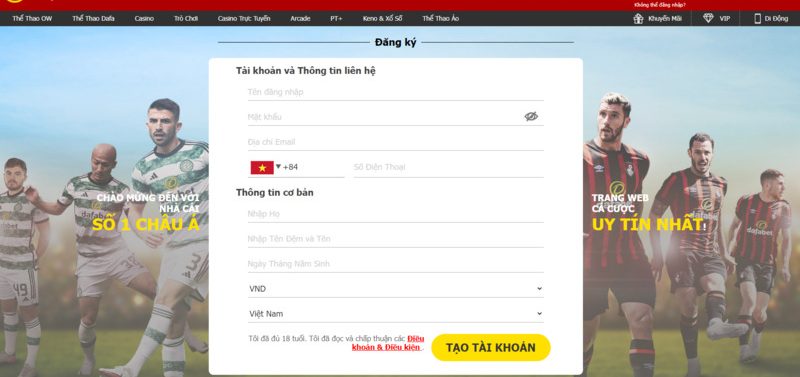
Đầu tiên, để tham gia đánh lô đề Hi88 người chơi cần phải thực hiện đăng nhập vào trang chủ nhà cái. Nếu như bạn vẫn chưa có tài khoản thành viên, hãy đăng ký ngay tại giao diện đó.
Bước 2: Chọn số đề hoặc cặp đề muốn đánh
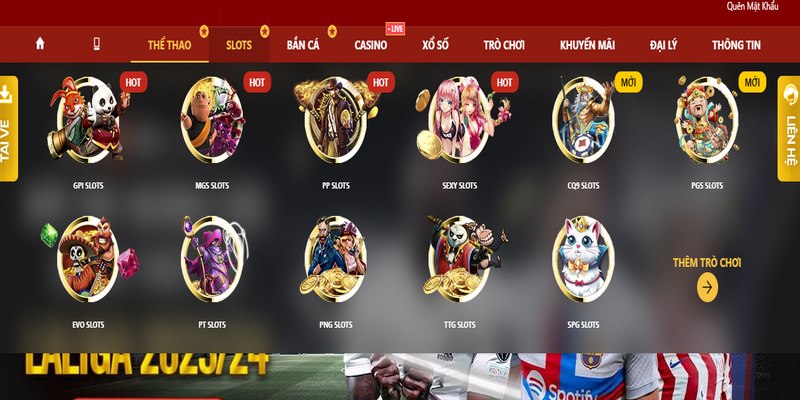
Sau khi hoàn thành việc đăng nhập, chỉ cần vào danh mục “Xổ số”. Tiếp đến vào “Chọn số đề” và chọn “Đài quay số”. sẽ có 3 đài: Xổ số miền Nam (xsmn), Xổ số miền Bắc (xsmb) và xổ số miền Trung (xsmt).
Bước 3: Chọn hình thức và đặt tiền cược
Người chơi sẽ bắt đầu đặt cược lô đề Hi88 bằng cách chọn 1 trong nhiều hình thức sau đây:
- Bao lô: Người chơi sẽ lựa chọn 2 con số từ 00-99 để tham gia dự thưởng.
- Lô 3 càng: Chọn 3 số bất kỳ từ 000-999 để đặt cược. Nếu như chọn XSMB thì các bạn sẽ phải đánh 3 số cuối giải đặc biệt. Nếu như chọn đài miền Nam hay miền Trung, thì phải chọn 3 số cuối của giải 7 trong bảng KQXS. Trong hình thức này, tỷ lệ ăn cược nhà cái Hi88 đưa ra là 1 ăn 835.
- Đánh đề: Người chơi sẽ đưa ra lựa chọn 2 số trong dãy từ 00-99 và đặt cược.
- Cược xiên: Các bạn có thể chọn xiên 2, xiên 3 hoặc xiên 4 tùy thích.
- Lô trượt: Có thể tham gia đánh trượt xiên 4, xiên 8 hoặc xiên 10.
Sau khi các bạn đã chọn lựa được thể loại lô đề Hi88 muốn chơi, hãy bắt đầu cho quá trình đặt tiền cược. Chỉ cần chọn hoặc điền vào số tiền mình muốn đánh → “Đặt cược” sẽ hoàn tất.
Một số lưu ý khi chơi lô đề Hi88

Khi chơi lô đề online tại nhà cái Hi88, tất cả mọi người cần chú ý một số điều sau:
- Cần kiểm tìm hiểu thật kỹ các hình thức khi tham gia đặt cược. Vì cũng như cách chơi xổ số truyền thống, chơi online cũng có nhiều hình thức. Như đánh lô xiên, 3 càng, lô tô, đánh đềm,…
- Cần xác định rõ hình thức bạn muốn tham gia. Để không bị nhầm lẫn khi đặt cược và gặp phải những vướng mắc trong khâu trả thưởng. Ngoài ra, sau khi đã đặt cược xong, hãy kiểm tra lại lịch sử cược. Điều đó nhằm đảm bảo thông tin chính xác 100%, đặc biệt là số tiền cược.
- Người tham gia cũng cần có chiến lược với sự tính toán kỹ lưỡng. Lô đề cũng được coi là một hình thức đầu tư. Vì vậy, việc tính toán kỹ lưỡng, có chiến lược tốt vô cùng cần thiết với khi tham gia đặt cược. Các bạn nên tạo cho mình một chiến lược cụ thể. Phải tính toán kỹ trong quá trình cược để giảm thiểu rủi ro, tăng cao khả năng thắng cược cho bản thân.
- Tuyệt đối không nên để việc chơi lô đề gây ảnh hưởng đến cuộc sống thường ngày của mình. Thứ nhất, vì khi có áp lực tinh thần, tâm lý các bạn sẽ không tốt. Khi đó sẽ có quyết định không đúng, sai lầm dẫn đến thua cược. Tiếp theo, vì đây là 1 trò giải trí nên tốt hơn hết đừng để nó ảnh hưởng đến cuộc sống của mình.
Bài viết đã hướng dẫn các bạn đánh lô đề Hi88 rất chi tiết. Đây là nhà cái có tỷ lệ trả thưởng 1 ăn 99 cao nhất thị trường. Nên đừng bỏ lỡ khi có ý định đánh đề online nhé! Mong rằng bài viết sẽ đem đến cho mọi người nhiều thông tin thú vị và bổ ích về hình thức cá cược cực kỳ hot tại Hi88.












































































































































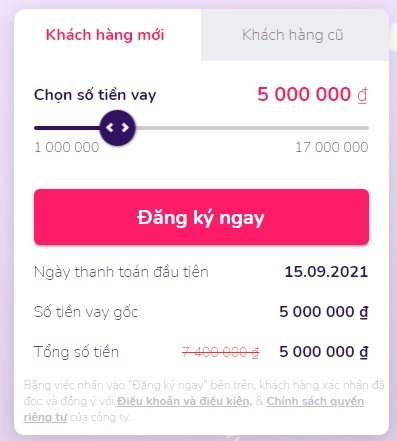



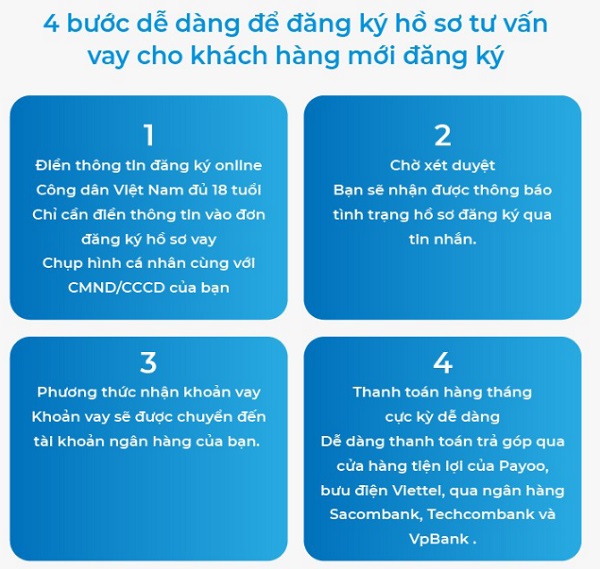

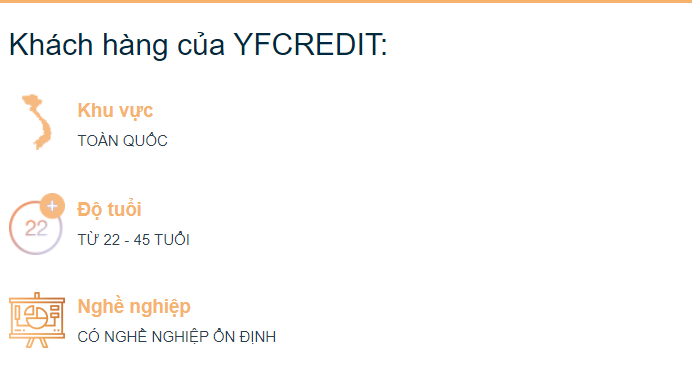

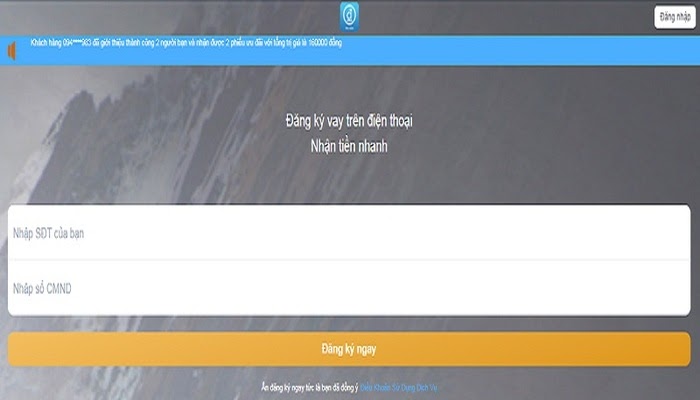

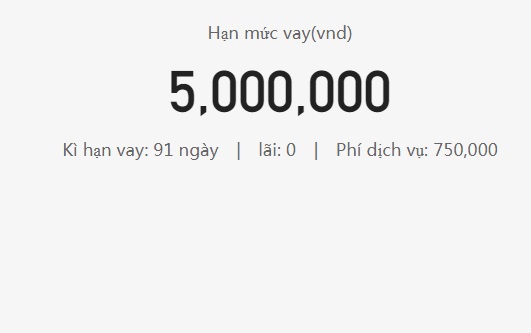
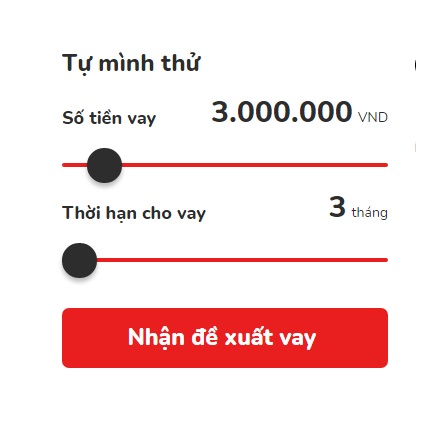





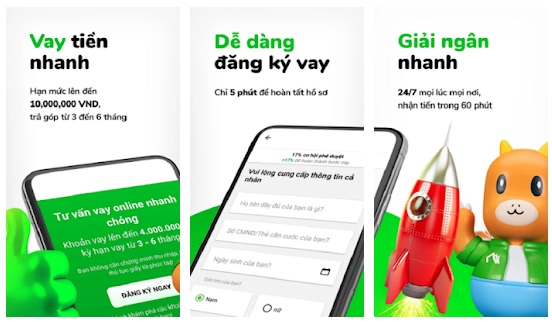


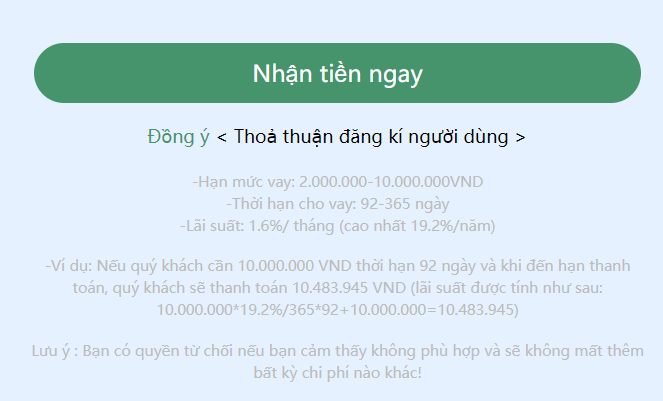

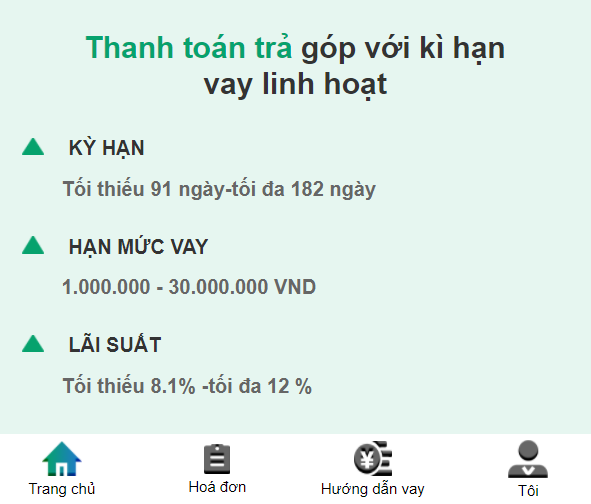








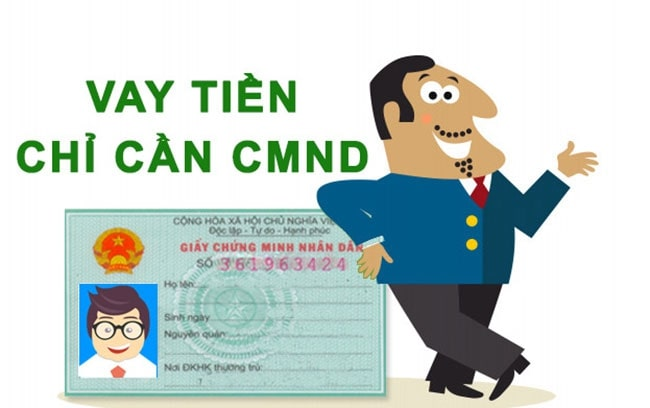



 Bạn đang muốn một khoản tiền mặt nhanh chóng để trang trải chi phí đột xuất trước ngày nhận lương? Bạn đang nghĩ về các khoản vay ngắn hạn tại ngân hàng? Tuy nhiên, đó không phải là sự lựa chọn tiện lợi nhất. Điều gì sẽ xảy ra nếu bạn có thể vay tiền một cách nhanh chóng chỉ bằng cách ngồi nhà và sử dụng vài thao tác đơn giản trên điện thoại? Nhờ công nghệ tiên tiến, bạn hoàn toàn có thể làm điều đó qua ứng dụng cho vay tiền online cực chất với lãi suất siêu nhỏ – Vinafin.